
Excavators are the backbone of modern mining and quarrying operations. These powerful machines are responsible for moving millions of tonnes of material each year, from overburden removal to loading haul trucks with blasted rock. Whether you are operating a large-scale open-pit mine or a smaller aggregate quarry, understanding how to select, operate, and maintain excavators is essential for maximizing productivity and controlling costs. This article covers the key aspects of using excavators in mining and quarrying, including machine selection, efficiency factors, maintenance practices, and the role of used excavators in fleet management.
2. The Role of Excavators in Mining and Quarrying
2.1 Primary Applications
In mining and quarrying, excavators perform several critical functions. The most common application is loading material into haul trucks after drilling and blasting. Hydraulic excavators are particularly well-suited for this task because of their superior digging power and ability to handle a wide range of material types, from loose overburden to hard rock. Excavators are also used for overburden stripping, pre-stripping operations, and selective digging in areas where precision is required.
2.2 Excavators vs. Other Loading Equipment
While wheel loaders are also used for loading, excavators offer distinct advantages in mining and quarry applications. Excavators can load naturally fractured rock and unconsolidated materials directly from the mining face without blasting. They require sufficient bench height for efficient operation—a general rule of thumb is that the optimal bench height should match the length of the excavator stick. Unlike wheel loaders, which excel in load-and-carry applications, excavators are primarily stationary loading tools that offer greater digging force and reach.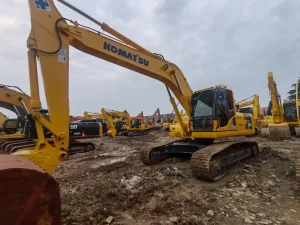
3. Selecting the Right Excavator for Your Operation
3.1 Size Classes and Their Applications
Excavators used in mining and quarrying range from large machines in the 50–250 tonne class to ultra-class excavators exceeding 250 tonnes. Large excavators in the 50–250 tonne range are typically used for bulk earthmoving, quarrying, and mine pre-strip operations. These machines offer high breakout force and bucket volumes of several cubic metres. Ultra-class excavators, such as the Komatsu PC9000 with an operating weight of 900 tonnes, are designed for maximum production rates in open-cut mining and overburden removal.
3.2 Key Selection Factors
Choosing the right excavator requires careful consideration of several factors. Material type and ground conditions are critical—an excavator moving loose overburden performs very differently from one digging into dense hard rock. The latter requires significantly higher breakout force and a more robust build. Reach, depth, and dump height must be measured against haul trucks or hoppers to ensure efficient loading. Bucket capacity and cycle time also play major roles in determining productivity. A larger bucket does not always mean faster work, as hydraulic speed, swing radius, and operator technique all influence cycle time.
3.3 Matching Excavator to Haul Truck
Proper matching between excavator and haul truck is essential for efficient operations. The goal is to fill each truck in an optimal number of passes—typically four to six—to minimize cycle time. Matching equipment appropriately can be determined through simple calculations. For example, with a 50-ton truck and material weighing 3,000 lbs. per cubic yard, operators can calculate the number of passes required based on bucket capacity. Short arms on excavators provide maximum crowd forces and payload capacity, making them recommended for production truck loading and tough digging conditions.
4. Productivity and Efficiency Considerations
4.1 Fuel Efficiency and Operating Costs
Fuel consumption represents a significant portion of operating costs in mining and quarrying. Modern excavators are designed with fuel efficiency as a priority. The Komatsu PC950-11, for example, delivers up to 48 per cent greater productivity while using up to 40 per cent less fuel than its predecessor. The Liebherr R 992 consumes less than 60 litres per hour in demanding environments, representing a saving of around 10 per cent compared to its predecessor. These efficiency gains come from advanced systems like Liebherr Power Efficiency (LPE), which adjusts engine speed and hydraulic oil flow to match each stage of the digging cycle.
4.2 Cycle Time Optimization
Cycle time is one of the most critical operating parameters of an excavator, as it governs the volume of material moved. Factors affecting cycle time include bucket volume efficiency, swing radius, proximity to haul trucks, and operator technique. Minimizing the distance between the excavator and haul trucks reduces cycle times. Double-sided loading, where trucks can be loaded from either side, enables continuous loading and avoids excavator idle time.
4.3 Technology and Automation
Modern excavators incorporate advanced technologies to improve productivity and safety. Features like KomVision 360-degree camera systems, hydraulic access stairways, and wide catwalks improve site safety and make inspection tasks easier. Operator-assistance functions such as Liebherr’s Bucket Fill Assist (BFA) make loading easier and more consistent by sensing resistance and preventing the bucket from binding against material. These systems help new operators achieve consistent performance sooner, improving productivity and reducing training time.
5. Maintenance Best Practices
5.1 Undercarriage Maintenance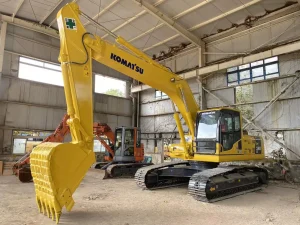
The undercarriage is the single most expensive component of a tracked excavator, absorbing up to 50 per cent of total maintenance costs. In harsh mining and quarry environments, undercarriage wear is accelerated by abrasive materials and challenging terrain. Regular inspections, timely replacement of worn components, and proper track tensioning are critical for extending undercarriage life. Daily cleaning of mud, sand, and gravel from tracks and rollers helps reduce abrasive wear.
5.2 Cooling System and Dust Management
Quarry dust and heat place significant strain on excavators, particularly during summer months. Cooling systems should be inspected daily, with radiators, fans, and coolant levels checked to prevent overheating and costly downtime. Minimizing dust levels through proper site management and regular cleaning of air filters helps protect engine and hydraulic components.
5.3 Hydraulic and Electrical Systems
Regular inspection of hydraulic and electrical systems is essential for maintaining excavator reliability. Hydraulic system components, including hoses, fittings, and cylinders, should be checked for leaks and wear. Maintaining clean hydraulic fluid and replacing filters at recommended intervals prevents contamination and extends component life. Advanced lubrication systems that automatically apply the correct amount of lubricant to critical components can significantly reduce maintenance costs.
6. Safety Considerations in Mining and Quarry Operations
6.1 Working Near Highwalls and Edges
Operating excavators near highwalls and pit edges presents significant safety risks. Excavator tracks should be positioned parallel to the face and at an adequate distance from the edge, taking into account the stability of the edge in terms of geological structure, blast damage, and undercutting. Operators must be trained to read material conditions, identify compromised areas, avoid overhangs and undercut faces, and maintain distance from edges.
6.2 Operator Training and Safety Systems
Proper operator training is fundamental to safe excavator operations. Operators should be trained in the safe operation and potential hazards of all equipment, including avoiding ground conditions that can cause equipment to tip over. Modern excavators are equipped with safety features such as Rollover Protective Structures (ROPS), seat belts, and 360-degree camera systems. Cab design also plays a role in safety—spacious, quiet cabs with ergonomic controls help reduce operator fatigue and improve focus.
7. The Role of Used Excavators in Mining and Quarrying
7.1 Market Overview
The market for used excavators and other machinery continues to grow, driven by cost-effectiveness and the availability of well-maintained pre-owned equipment. The global used construction equipment market was estimated at USD 6.7 billion in 2024 and is projected to grow at a compound annual growth rate of 4.50 per cent. The used construction and mining machinery wholesale market is expected to grow from USD 66.1 billion in 2025 to USD 90 billion by 2035.
7.2 Benefits and Considerations
Used excavators offer significant cost advantages over new machines. A used excavator typically costs between US$20,000 and US$250,000, while new excavators range from US$60,000 to over US$500,000 depending on size and condition. Large used excavators weighing between 20 and 40 tonnes generally range from $40,000 to $150,000. For quarry and mining operations with tight budgets, used excavators can provide a cost-effective entry point or a way to expand fleet capacity.
However, buyers of used excavators must carefully evaluate machine condition, operating hours, and maintenance history. Well-maintained pre-owned machinery with certified pre-owned programs offers greater reliability. The durability of mining excavators—with some manufacturers guaranteeing 60,000 hours of operation or 10 years—means that used machines can still offer substantial service life.
7.3 Integration with Other Machinery
Used excavators must be integrated effectively with other machinery in the fleet. Matching excavator size and bucket capacity to haul truck payload is just as important with used equipment as with new. Other machinery such as wheel loaders, dozers, and crushers must be compatible with the excavator’s production capacity to avoid bottlenecks. When purchasing used excavators, operators should consider how the machine will fit into their existing equipment mix and whether it can meet production targets.
8. Conclusion
Excavators are indispensable assets in mining and quarrying operations. From loading haul trucks to overburden removal, these machines drive productivity and profitability. Selecting the right excavator requires careful consideration of size class, material type, site conditions, and fleet compatibility. Modern excavators offer significant improvements in fuel efficiency and productivity through advanced technologies and operator-assistance systems. Proper maintenance—particularly of the undercarriage, cooling system, and hydraulic components—is essential for maximizing machine life and minimizing downtime. Safety must remain a priority, with proper training and adherence to operating procedures protecting both operators and equipment.
The market for used excavators provides cost-effective alternatives for operations looking to expand or upgrade their fleets. When properly evaluated and maintained, used excavators can deliver reliable performance at a fraction of the cost of new machines. As mining and quarrying operations continue to evolve, the role of excavators—both new and used—will remain central to material handling and production success. Understanding the factors that influence excavator performance, from selection through maintenance to replacement, enables operators to make informed decisions that optimize their operations and bottom line.