
1. The Lifeblood of Hydraulic Machinery
Hydraulic oil serves as far more than a simple lubricant in construction equipment. It is the lifeblood that transmits power, dissipates heat, removes contaminants, and protects critical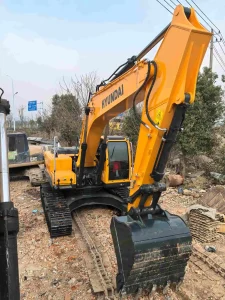 components from wear. For used excavators and other machinery operating in demanding environments, the cleanliness of hydraulic oil directly determines reliability, productivity, and service life. Despite its importance, hydraulic oil cleanliness remains one of the most overlooked aspects of equipment maintenance across construction sites worldwide.
When hydraulic oil becomes contaminated, the consequences cascade through every component of the system. Pumps wear prematurely, valves stick or fail to respond precisely, cylinders lose sealing effectiveness, and overall machine efficiency plummets. The problem is particularly acute for used excavators, which may have accumulated wear from previous service and often operate in harsh conditions where dirt, dust, and moisture are ever-present threats.
Understanding why clean hydraulic oil matters requires examining the sources of contamination, the mechanisms of damage, the quantifiable costs of neglect, and the practical strategies for maintaining oil cleanliness throughout the service life of any hydraulic machine.
2. Understanding Hydraulic Oil Contamination
2.1 Types of Contaminants
Hydraulic oil contamination falls into three primary categories: solid particles, liquid contamination, and gaseous contamination. Each type poses distinct threats to hydraulic system integrity and performance.
Solid particle contamination represents the most common and destructive form of contamination. These particles include dirt, dust, metal shavings from component wear, rust particles, welding slag, and other debris that enters the system through various pathways. Particles ranging from 4 to 14 microns are particularly dangerous because they are invisible to the naked eye yet large enough to cause abrasive wear on precision-machined components. By the time hydraulic oil appears visibly dirty, contamination levels have already far exceeded acceptable limits.
Liquid contamination primarily involves water ingress. Water enters hydraulic systems through worn breathers, compromised seals, condensation in reservoirs, and improper storage practices. When water concentration exceeds approximately 1,000 parts per million, the oil turns milky, lubrication properties degrade, additives deplete rapidly, and internal corrosion accelerates. Water also promotes oxidation and the formation of acidic by-products that attack metal surfaces throughout the system.
Gaseous contamination, particularly entrapped air, impairs the hydraulic medium’s lubricating properties and increases metal-to-metal contact. Air in hydraulic oil causes pump cavitation, erratic valve operation, spongy control response, and accelerated component wear. The presence of air also accelerates oil oxidation and reduces the system’s ability to transfer power efficiently.
2.2 Sources of Contamination
Contamination enters hydraulic systems through multiple pathways, many of which are easily overlooked during routine operation and maintenance. Understanding these entry points is essential for developing effective contamination control strategies.
Ambient conditions represent a primary source of contamination for construction equipment. Used excavators and other machinery operate in environments saturated with dust, dirt, and moisture. Reservoir breathers allow air exchange but also provide entry points for airborne particles and water vapor. Every time a hydraulic component is opened for service or repair, contaminants can enter unless proper cleaning procedures are followed.
The oil itself can be a source of contamination. Oil that leaves the refinery clean often becomes contaminated during multiple delivery transfers, storage, and handling. Metal fines, dust, and moisture can enter during blending, packaging, and bulk storage. Even new oil from sealed containers should be filtered before being introduced into a hydraulic system.
Component wear generates contamination internally. As pumps, motors, valves, and cylinders operate, microscopic metal particles wear away and circulate through the system. These wear particles then accelerate further wear on other components, creating a destructive cycle that progressively degrades the entire hydraulic system.
3. The Devastating Effects of Contaminated Hydraulic Oil
3.1 Impact on Hydraulic Pumps
Hydraulic pumps are among the most vulnerable components to oil contamination. The pump is the heart of the hydraulic system, converting mechanical energy into hydraulic energy by moving oil under pressure. When contaminated oil passes through a pump, abrasive particles score the internal surfaces of rotating groups, wear down bearing surfaces, and erode precision-machined clearances.
The damage manifests in several ways. Pump efficiency declines as internal leakage increases due to worn clearances. Operating temperatures rise as friction increases. Noise levels escalate as components begin to fail. Ultimately, pump failure becomes inevitable, often with catastrophic consequences for the entire hydraulic system. For used excavators, which may already have some pump wear from previous service, contaminated oil accelerates the decline dramatically.
3.2 Impact on Control Valves
Control valves direct the flow and pressure of hydraulic oil to actuate cylinders and motors. These valves operate with extremely tight tolerances, often measured in microns. Contaminated oil interferes with valve operation in multiple ways.
Solid particles can cause valves to stick, preventing them from shifting fully or returning to neutral positions. Abrasive particles erode the control edges of spools and poppets, creating internal leakage that reduces precision and responsiveness. Fine silt and oxidation by-products interfere with the tight tolerances of servo and proportional valves, causing erratic operation that undermines machine control. The result is imprecise machine movements, reduced productivity, and increased operator fatigue.
3.3 Impact on Hydraulic Cylinders
Hydraulic cylinders convert hydraulic pressure into linear mechanical force. Contaminated fluid acts like liquid sandpaper inside cylinders. When contaminated oil is forced past piston and rod seals under high pressure, it scores the inside of the barrel and destroys the seals.
Cylinder damage manifests as external leaks, internal bypass (fluid passing from one side of the piston to the other), reduced force output, and erratic cylinder movement. Seal failure allows additional contaminants to enter the system, creating a feedback loop of accelerating damage. Cylinder rebuilds are among the most expensive hydraulic repairs, often costing tens of thousands of dollars per component.
3.4 Impact on System Efficiency and Productivity
Beyond component damage, contaminated oil directly degrades hydraulic system efficiency. Testing has demonstrated that contaminated hydraulic fluid produces unstable pressure control and erratic system performance. Switching to clean hydraulic fluid can stabilize system pressure and restore operating efficiency, even in previously damaged systems.
Field trials have shown that clean hydraulic oil can deliver efficiency gains of up to 13% in fuel savings and 11% in productivity. These gains translate directly to the bottom line: more work accomplished per unit of fuel consumed, reduced operating costs, and improved profitability for equipment owners.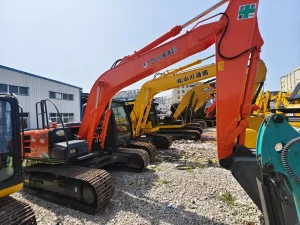
4. The Quantifiable Cost of Contamination
4.1 Failure Rates and Financial Impact
The statistics surrounding hydraulic failures are striking. Hydraulic failures account for approximately 45% of all major excavator failures. The average hydraulic system failure costs roughly $95,000 when parts, labor, and downtime are factored into the equation.
Even more concerning is the preventable nature of these failures. Between 70% and 90% of hydraulic failures trace back to contaminated oil. This means the vast majority of hydraulic failures could be prevented through proper oil cleanliness management. A proactive contamination program—including quarterly oil analysis, disciplined filter changes, and clean service habits—costs a fraction of a single failure.
4.2 Hidden Costs of Neglect
The visible costs of component replacement represent only part of the financial burden. Unplanned equipment downtime creates cascading costs that extend far beyond the repair bill. Idle equipment generates no revenue. Delayed projects incur penalties. Replacement rental equipment adds expense. Labor hours spent on unscheduled repairs divert resources from productive work.
The cost of proper contamination control—including filtration, oil analysis, and cleanliness monitoring—typically represents less than 3% of the total cost of uncontrolled contamination. This dramatic cost differential makes contamination control one of the highest-return investments available in equipment maintenance.
4.3 Impact on Used Excavators and Older Equipment
Used excavators present particular challenges for oil cleanliness management. These machines may have accumulated wear from previous ownership. Seals may be less effective at keeping contaminants out. Previous maintenance practices may have been inconsistent.
However, used excavators also present significant opportunities for improvement through diligent oil cleanliness management. Starting with clean oil and maintaining it through proper filtration and monitoring can extend the service life of used equipment substantially. For many equipment owners, the cost of implementing a contamination control program is far less than the cost of replacing a used excavator prematurely.
5. Measuring and Maintaining Hydraulic Oil Cleanliness
5.1 Cleanliness Standards: ISO 4406 and NAS
Hydraulic oil cleanliness is measured using established standards that quantify particle contamination levels. The ISO 4406 standard provides a three-digit code representing the number of particles larger than 4 microns, 6 microns, and 14 microns in a one-milliliter oil sample.
Lower ISO codes indicate cleaner oil. For example, an ISO code of 16/14/11 represents very clean oil suitable for high-pressure systems with servo valves. A code of 23/21/18 represents heavily contaminated oil typical of systems that have not been properly maintained.
The NAS 1638 standard, developed originally for aerospace applications, provides another method for quantifying contamination levels. For construction equipment, general hydraulic oil contamination should be controlled at NAS level 8 or better. When new hydraulic oil is added to a system, filtration to 1 to 3 microns is recommended to achieve the required cleanliness level.
5.2 Oil Analysis and Monitoring
Regular oil analysis is essential for maintaining hydraulic oil cleanliness. Analysis programs track particle counts, water content, viscosity, additive levels, and other indicators of oil condition. By analyzing oil samples regularly, maintenance teams can optimize oil change intervals, identify developing problems before they cause failures, and understand the changing conditions within equipment.
Oil analysis provides early warning of contamination problems. Approximately 78% of hydraulic failures show detectable warning signs two to six weeks before they become catastrophic. Regular analysis allows maintenance teams to address these warnings before failures occur, avoiding unplanned downtime and expensive repairs.
5.3 Filtration Strategies
Effective filtration is the cornerstone of oil cleanliness management. The appropriate filtration level depends on system pressure and component sensitivity. Low-pressure systems with gear or vane pumps typically require 20-micron filtration to achieve a cleanliness target of 20/18/15. High-pressure systems with proportional or servo valves require 3-micron filtration and a cleanliness target of 16/14/11.
Beyond the primary filtration system, additional strategies enhance oil cleanliness. Off-line filtration units, such as portable filtration carts or vacuum dehydrators, can maintain optimal oil cleanliness standards. Desiccant breathers replace standard vent plugs to prevent moisture and particle ingress. Proper oil handling procedures prevent contamination during storage and transfer.
6. Best Practices for Maintaining Clean Hydraulic Oil
6.1 Start Clean, Stay Clean
The principle of “start clean, stay clean” underpins effective oil cleanliness management. New oil should be filtered to the required cleanliness level before being introduced into any hydraulic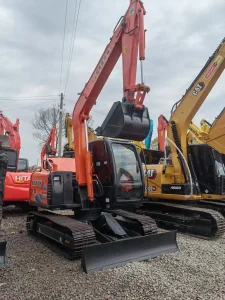 system. Oil that leaves the refinery clean often becomes contaminated during distribution and storage. Filtering new oil at the point of use eliminates these contaminants before they can enter the system.
Maintaining cleanliness requires ongoing vigilance. Systems should remain sealed except during maintenance. Equipment should be thoroughly cleaned before any hydraulic component is opened. Hydraulic oil should never be added to a system without being filtered first. These simple practices prevent the introduction of contaminants during routine maintenance activities.
6.2 Regular Maintenance Intervals
Consistent maintenance scheduling prevents the gradual accumulation of contamination. For standard mid-size crawler excavators, hydraulic oil should be changed every 2,000 operating hours. Hydraulic filters typically require replacement every 500 to 1,000 operating hours, depending on the machine and operating conditions.
Oil level should be checked every eight to ten hours of work time. Operators should look for signs of contamination during daily walkaround inspections, including unusual noises, slow machine movement, overheating, or visible oil discoloration.
6.3 Documentation and Accountability
Effective oil cleanliness management requires systematic documentation and clear accountability. Maintenance records should track oil change intervals, filter replacements, oil analysis results, and any contamination-related issues. Designating a program champion who is responsible for the oil analysis program ensures consistency and follow-through.
Documenting contamination control successes, including savings achieved through proactive maintenance, helps justify the investment in cleanliness programs and encourages continued commitment. When maintenance teams see the tangible results of their efforts—reduced downtime, longer component life, lower operating costs—the value of clean hydraulic oil becomes self-evident.
7. The Broader Benefits of Clean Hydraulic Oil
7.1 Extended Equipment Life
Clean hydraulic oil extends equipment life significantly. Removing abrasive particles that wear moving parts can extend equipment life by as much as tenfold. Clean oil reduces the rate of component wear, allowing pumps, valves, cylinders, and motors to operate within their design tolerances for much longer periods.
For used excavators, extended equipment life translates directly to improved return on investment. A used excavator that receives diligent oil cleanliness management can deliver productive service for many additional years, deferring the capital expenditure required for replacement.
7.2 Reduced Environmental Impact
Clean hydraulic oil also benefits the environment. Oil that resists degradation longer requires less frequent changes, reducing waste oil disposal. Longer component life means fewer replacement parts manufactured and disposed of. Reduced unplanned maintenance means fewer oil spills and less environmental contamination from hydraulic failures.
7.3 Improved Reliability and Uptime
Perhaps the most valuable benefit of clean hydraulic oil is improved machine reliability. Equipment that operates with clean oil experiences fewer unexpected failures, less unplanned downtime, and more consistent performance. For construction operations where equipment downtime directly impacts project schedules and profitability, this reliability is invaluable.
Starting with clean oil and performing routine analysis results in optimized equipment health, increased reliability, and steady production. The peace of mind that comes from knowing hydraulic systems are protected against contamination-related failures allows operators and maintenance teams to focus on productive work rather than emergency repairs.
8. Conclusion: Clean Oil Is Not Optional
The importance of clean hydraulic oil cannot be overstated. For used excavators and other machinery operating in demanding construction environments, oil cleanliness is the single most important factor in determining hydraulic system reliability, component life, and overall equipment profitability.
The evidence is compelling. Hydraulic failures account for nearly half of all major equipment breakdowns. The vast majority of these failures trace back to contaminated oil. The cost of a single hydraulic failure can exceed $95,000, while the cost of a comprehensive contamination control program is a fraction of that amount.
Clean hydraulic oil is not an expense—it is an investment that pays dividends through extended equipment life, reduced downtime, lower operating costs, and improved productivity. For equipment owners and operators who recognize this fundamental truth, the path forward is clear: implement systematic oil cleanliness management, monitor oil condition regularly, and maintain the discipline required to keep hydraulic oil clean throughout its service life.
The machines that power construction projects around the world depend on clean hydraulic oil to perform at their best. Those who prioritize oil cleanliness will enjoy the benefits of reliable, productive equipment for years to come. Those who neglect it will pay the price in failed components, unplanned downtime, and lost profitability. The choice is clear, and the stakes could not be higher.